Showing posts with label testosterone. Show all posts

Sunday, May 24, 2026

Building Muscle and Strength After 40: The New Science of Longevity


 For the lifter over forty, the gym can start to feel like a minefield. The aggressive, bar-bending "ego lifting" of youth often gives way to nagging joint pain, slower recovery times, and a general sense that the body is no longer a self-repairing machine.

Many men and women in this age bracket make the mistake of either pushing too hard—resulting in injuries that sideline them for months—or giving up on intensity altogether, resigning themselves to light, ineffective "toning" sessions.

But the science of High Intensity Training (HIT) tells a different story. It is not only possible to gain muscle and strength after forty; it is a biological necessity for longevity. By shifting from a high-volume "marathon" approach to a precision-based "surgical" approach, you can out-train the younger guys while protecting your structural integrity.

The Metabolic Imperative: Muscle as Medicine

The most compelling reason to continue weight training into your forties and beyond is simple: muscle is the primary currency of health.

Recent research suggests that overall body composition—specifically muscle mass—is a better predictor of mortality than the widely used Body Mass Index (BMI). In fact, as we age, higher muscle mass is significantly linked to a decreased risk of premature death.

Muscle tissue is incredibly "expensive" for the body to maintain:

  • Metabolic Boost: It burns significantly more calories at rest than any other tissue, which keeps the metabolism high and staves off the fat gain that typically characterizes middle age.

  • Skeletal Support: Resistance training exerts a thickening force on the bone structure, increasing bone density and helping to prevent osteoporosis later in life.

Shifting Gears: The HIT Advantage for the Over-40 Trainee

The traditional high-volume approach—doing set after set for hours on end—is particularly dangerous for the mature athlete. Prolonged workouts (exceeding 60 minutes) trigger the release of cortisol, a stress hormone that breaks down muscle tissue and suppresses testosterone—the exact opposite of what you want.

HIT offers a safer, more efficient alternative. By focusing on a very small number of sets (often just 1–2 per muscle group) performed with 100% effort, you provide the precise amount of stimulus needed to grow without overwhelming your body's decreased recuperative abilities.

1. The Rule of Form over Weight

In your twenties, you can sometimes "cheat" a weight up using momentum. After forty, momentum is an invitation to a torn tendon or a herniated disc. Your goal is no longer just how much weight you can move, but how effectively you can focus the resistance on the target muscle. By slowing down the cadence (the speed of the rep), you eliminate momentum and ensure that the fibers—not your joints—are doing the work.

2. Strategic Micro-Loading

The "all-or-nothing" approach to weight jumps often triggers the Golgi Tendon Reflex, which shuts down muscle contraction to prevent injury. Instead of jumping five or ten pounds, use micro-loading. Adding just one or two pounds a week results in a staggering strength increase over a year while staying "under the radar" of your body's neurological defense systems.

The "Legs First" Protocol for Hormonal Support

As we age, our legs are often the first muscle group to lose significant strength. This is why so many elderly people struggle with basic mobility. From a technical standpoint, training your legs is also your best "supplement."

Training the large muscle groups of the legs triggers a massive systemic release of natural Human Growth Hormone (HGH) and Testosterone. By training legs first in your routine, you prime your bloodstream with these anabolic agents, which can then be "siphoned" by smaller muscles like the arms when you train them later in the session.

Mastering the Recovery Curve

The final and most critical adjustment for the lifter over forty is frequency. While a teenager can sometimes train the same muscle group every other day, a mature athlete requires a much longer rest period.

HIT principles dictate that a muscle should only be trained again once it has fully recuperated. If you return to the gym while your muscles are still sore or your Central Nervous System (CNS) is still drained, you will actually lose strength. For the over-40 trainee, training each muscle group once every 7 to 10 days is often the ideal balance between growth stimulation and total recovery.

The Ultimate Over-40 HIT Routine

This routine focuses on compound movements for efficiency and isolation movements for safety. End all sets at the point of momentary muscular failure (when no more full reps are possible).

Workout A: Lower Body & Core

  • Leg Extensions: 1 set of 15 reps (to failure)

  • Leg Press or Smith Machine Squats: 1 set of 12 reps (to failure)

  • Seated Calf Raises: 1 set of 20 reps (to failure)

  • Ab Machine Crunches: 1 set of 25 reps (to failure)

Workout B: Upper Body

  • Machine Flyes or Pek Dek: 1 set of 12 reps (to failure)

  • Lat Pull-downs (Palms-facing): 1 set of 10 reps (to failure)

  • Seated Machine Presses: 1 set of 10 reps (to failure)

  • Dumbbell Concentration Curls: 1 set of 12 reps (to failure)

  • Triceps Push-downs: 1 set of 12 reps (to failure)

Supplementing the Mature Athlete

While a clean diet of lean proteins, complex carbs, and healthy fats is the foundation, specific supplements can enhance the recovery process for those over forty:

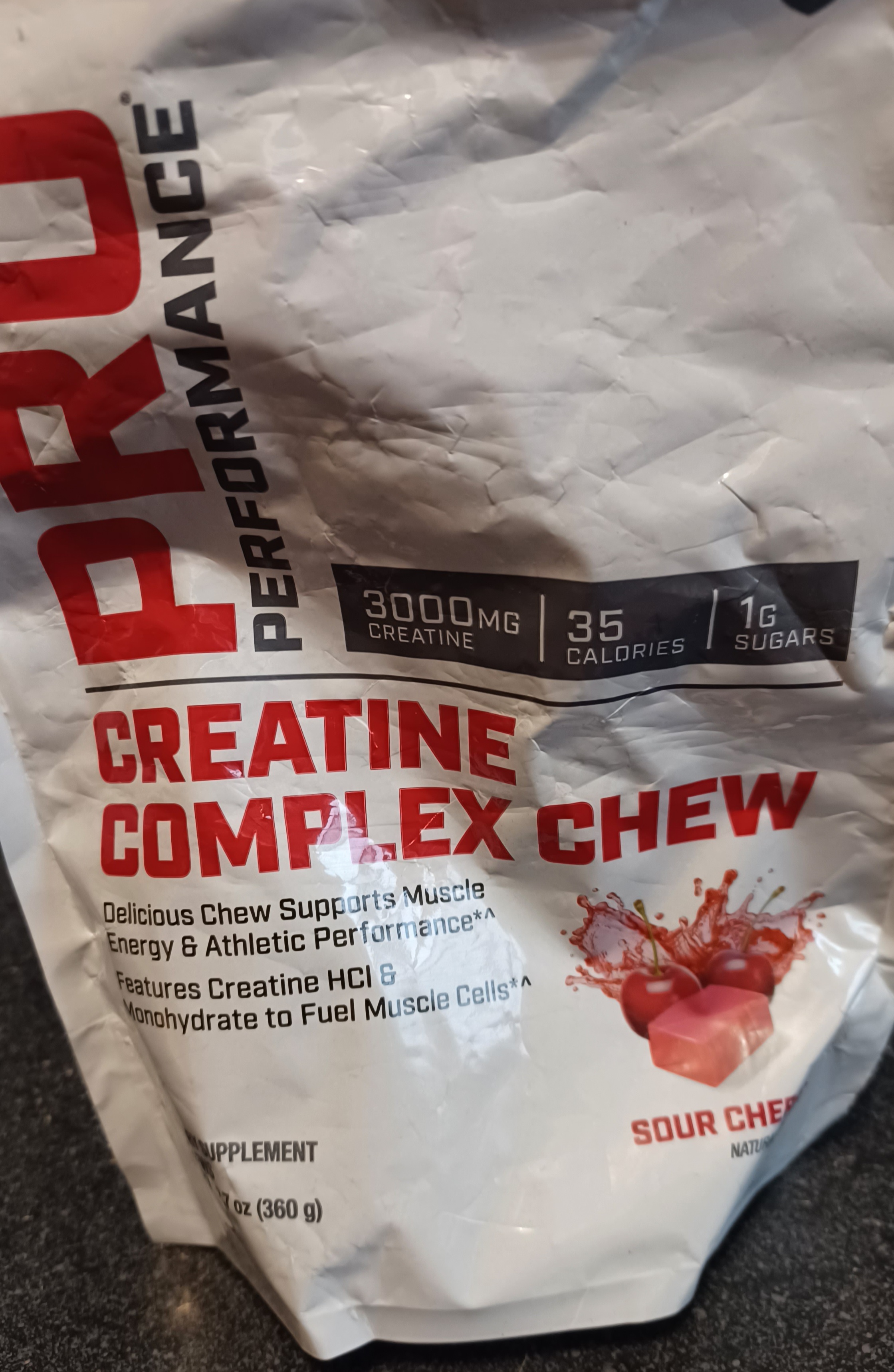
  • Creatine Monohydrate: Refuels energy stores (ATP) and increases protein synthesis.

  • L-Glutamine: A critical amino acid for immune function and muscle tissue repair.

  • Whey Protein: Rapidly absorbed post-workout to flood the muscles with leucine and initiate growth.

  • Natural Aromatase Inhibitors: Compounds like DIM (found in broccoli) can help prevent the conversion of testosterone into estrogen as we age.

Conclusion: The Path Forward

Age is not an excuse to stop training; it is the reason you must start training with more intelligence. By embracing the Systemic Growth Effect, respecting your neurological limits through micro-loading, and giving your body the 7–10 days of rest it deserves, you can build a physique that is as functional as it is aesthetic.

Training smarter means recognizing that your body is a single, integrated system. You are no longer just lifting weights; you are managing a biological machine. If you want to keep growing after forty, leave your ego at the door, focus on the contraction, and let the science of high intensity work for you.

About the Author

David Groscup is a certified training expert and the author of 12 books on scientific high-intensity bodybuilding. Having published hundreds of articles in leading newspapers and fitness magazines, David is a recognized voice in the world of hypertrophy and CNS recovery. He shares his research at Dr. HIT’s High-Intensity Bodybuilding Blog and recently launched the Dr. HIT AI Training Bot—a first-of-its-kind digital coach that brings his decades of expertise and 12-book database directly to your training sessions—and the Elite Nutrition & Supplement AI Coach, an invaluable tool to both optimize health and maximize your training results.

Monday, August 11, 2025

7 High-Intensity Training Mistakes That Kill Muscle Gains


High-Intensity Training (HIT) is one of the most efficient ways to build muscle fast — short, brutally hard workouts that push your body to its limit, followed by enough recovery to grow stronger.

But here’s the truth: even the best HIT workout plan can fail if you make common mistakes. Do HIT bodybuilding the wrong way, and you can stall progress, waste effort, or even lose muscle.

After decades in high-intensity weight training, I’ve seen the same pitfalls derail lifters. Avoid these mistakes, and you’ll accelerate your gains while spending less time in the gym.

1. Going Too Light

HIT relies on maximum effort and intensity. If the weight doesn’t challenge you in the target rep range (usually 6–12 for muscle growth), your body won’t adapt.
Fix it: Use a load that makes the final rep nearly impossible without losing proper form. You should end the set knowing you could not have done one more clean rep.

2. Going Too Heavy

Loading the bar like a powerlifter can backfire. Excessive weight compromises form, reduces time under tension, and increases injury risk.
Fix it: Choose a weight heavy enough to push you to true failure in the target range — but light enough for controlled, full-range movement.

3. Rushing Reps

A HIT workout isn’t about moving weight quickly — it’s about controlling the weight for maximum muscle fiber recruitment. Fast, sloppy reps rob you of the growth stimulus.
Fix it: Use a deliberate tempo — 2–3 seconds up, 2–3 seconds down. Focus on feeling the muscle work.

4. Poor Form Under Fatigue

The final reps are where growth happens, but also where form breaks down. Allowing momentum to take over or cutting the range short can reduce results and increase the risk of injury.
Fix it: As fatigue sets in, double down on strict form. If you can’t maintain it, the set is over.

5. Not Training to True Failure

In HIT bodybuilding, "failure" means you can’t move the weight despite maximal effort — not stopping because it’s uncomfortable. Many lifters quit too soon.
Fix it: Train to the point where the bar literally won’t move, but do so safely — ideally on a controlled machine or with a spotter.

6. Skimping on Recovery

High-intensity weight training is demanding. Without enough rest, your body can’t rebuild muscle. Overtraining here is a real threat.
Fix it: Allow 7-10 days between training the same muscle group. Prioritize sleep, nutrition, and active recovery.

7. Program Hopping

Muscle growth needs progressive overload — not constant program changes. Switching routines too often prevents measurable progress.
Fix it: Stick with a HIT workout plan for a minimum of 8–12 weeks before making big changes. Track your lifts, reps, and recovery.

The Bottom Line

HIT bodybuilding is one of the fastest ways to build muscle and strength — but only when done correctly. Avoid these high-intensity weight training mistakes, train with precision, recover like it’s your job, and watch your gains skyrocket.

Next Step:
Want a proven HIT workout program backed by decades of experience?
Check out my
9-Book Bodybuilding Collection — your complete guide to building muscle fast with scientific High-Intensity Training.


Monday, March 26, 2018

What's the true cause of the pectoral gap phenomenon?


Recently a malformation of the pectoral muscles known as the "pectoral gap" has appeared in professional wrestlers and some bodybuilders. This video discusses the most likely causes and what can be done about it.

Wednesday, January 24, 2018

Jerry Brainum-Supplements On A Budget


Jerry explains why you need to take supplements to build your physique but don't necessarily need to spend alot of money.

Thursday, September 28, 2017

Extra protein before bedtime can boost muscle building

Two proven ways to boost Muscle Protein Synthesis (MPS) are to eat protein and to exercise (especially weight training). After reviewing the results of multiple studies, researchers commented that 20g of high quality protein per meal (with a maximum of 4-5 hours between each meal) is the best way to maximize MPS during the day. More protein may be needed for those with more muscle, those who are older or those who do full body workouts. 
This frequent protein timing pattern has been relatively well documented, and researchers wanted to determine the effect of ingesting protein over longer periods of time because the adaptive response to weight training lasts more than a few hours. If you consume protein every 4 hours during the day but have a big gap at night while you sleep, are you truly maximizing your muscle gains to the fullest extent? That’s what these researchers set out to determine. (Figure A)

The researchers hypothesized that taking protein right before sleep would boost MPS throughout the night. To test this theory, they had recreational athletes drink 20g of protein as a recovery drink immediately after their typical afternoon exercise. This was to prove that protein intake after a late afternoon workout does not diminish the benefits of more protein right before sleep. Next, the athletes were split into two groups and took either 40g of protein (from casein) or placebo right before going to sleep.

As expected, the casein group not only increased MPS 22% higher than placebo, but they also improved whole-body protein balance throughout the night. (Figure B)

They repeated this test in a later study, but with 10g less protein (30g of pre-sleep protein). Surprisingly, the changes were much smaller than what they observed in their previous study. The researchers commented that due to the long period of time (8 hrs) spent sleeping compared to the typical time between meals (4-5 hrs), larger amounts of protein (40g or greater) are required to produce a robust stimulation of MPS during overnight sleep.


Their advice to maximize MPS is as follows. Aim to ingest enough protein at every meal to maximize MPS until your next meal. Just because you eat a large amount of protein at one meal, does not mean you can skip protein the next meal. Each meal is a unique opportunity to stimulate MPS, and these responses may be additive. Take 40g protein before bed if you are doing resistance-type exercise (weight training) and are looking to maximize your muscle building potential by improving the adaptive response to exercise training. 

Monday, January 9, 2017

The 11 best supplements for building muscle mass


W
WITHOUT A DOUBT, you can add muscle simply by eating right and lifting weights. But to truly maximize your growth potential, supplements are a popular option. The only question: Which ones to choose?
That's why we've compiled 11 of the best mass-gain supplements worth your hard-earned cash. They're listed in order of priority, from the absolute most critical, can't-do-without supplements to the optional (yet still highly effective) ingredients for packing on size. The point is to help those on a tight budget decide which supplements to buy. And hey, if money is no object, then by all means stock up—just be sure you're using these as directed.

Priority #1: Whey protein powder

Why it made the list: Whey tops the list of mass-gain supplements because it's the most crucial for pushing protein synthesis. Whey is a milk protein that has a high level of branched-chain amino acids (BCAAs, No. 4 on our list). Bottom line: Whey takes the crown because it digests fast and gets to your muscles rapidly to start building muscle. Whey also contains peptides (small proteins) that increase blood flow to the muscles. This is why we always recommend consuming whey protein immediately after training.
How to maximize its effects: Take 20 grams of whey protein powder in the 30 minutes before working out, and take 40 grams within 60 minutes after training. Also consider taking 20-40 grams of whey immediately upon waking every morning to kick-start muscle growth. Your best bet is to choose a whey powder that contains whey protein hydrolysates (whey protein broken down into smaller fragments for faster digestion) or whey protein isolate.

Priority #2: Casein protein powder

Why it made the list: The other milk protein, casein, squeaks in just under whey. Casein has always played second fiddle due to its very slow digestion rate—yet this makes it ideal as a pre-bedtime snack because it prevents catabolism while you sleep by emptying slowly and steadily. Casein also makes you feel less full, which makes it a great snack for those who want to pack on muscle mass. And new research finds that casein gives whey a run for its money. When casein is taken post-workout, it boosts muscle protein synthesis much like whey does. It's even suggested that a whey and casein protein shake taken after training increases muscle growth better than either protein taken alone.
How to maximize its effects: Choose a casein protein that contains micellar casein (the slowest-digesting casein you can buy) and take 20-40 grams right before going to bed. After workouts, add 10-20 grams of casein to your whey protein. Also, use 20-40 grams of casein in your protein shakes between meals.

Priority #3: Creatine

Why it made the list: Creatine is made from three amino acids: arginine, glycine and methionine. Anecdotal reports and scientific studies alike find that guys who take creatine gain a good 10 pounds or more of bodyweight and increase strength dramatically. Creatine works in a number of ways. For one, it increases the amount of fast energy in your muscles needed to perform reps in the gym. The more of this fast energy that's available, the more reps you can do with a given weight, allowing you to get bigger and stronger in the long run. Creatine also draws more water into your muscle cells, placing a stretch on the cell that increases long-term growth. Most recently, creatine has been found to increase levels of insulin like growth factor-1 (IGF-1) in muscles, which is critical for stimulating growth.
How to maximize its effects: Take 2-5 grams of creatine in the form of creatine monohydrate, creatine malate, creatine ethyl ester or creatine alpha-ketoglutarate with your protein shake immediately before workouts. This will help keep your muscles saturated with creatine, producing the rapid energy they need to perform more reps. Then consume another 2-5 grams with your postworkout shake (in addition to 40-100 grams of fast-digesting carbs), a time when creatine will be rapidly taken up by muscle cells and the boost in IGF-1 levels will help prompt further growth. On days when you don't train, take 2-5 grams of creatine with a breakfast that contains carbohydrates.

Priority #4: Branched-chain amino acids (BCAAs)

Why they made the list: The term branched-chain amino acids refers to leucine, isoleucine and valine, the absolute most important amino acids for repairing and building muscle tissue. Leucine is the most critical of the three, as research shows that it can stimulate muscle protein synthesis on its own. Yet it's still best to take all three together, since they work in synergy to provide a multitude of benefits, including muscle growth, increased energy during workouts, the blunting of cortisol (a catabolic hormone that inhibits testosterone and increases muscle breakdown), and decreased delayed-onset muscle soreness. 
How to maximize their effects: Take 5-10 grams of BCAAs with breakfast, as well as in your pre- and post-workout shakes. Look for BCAA products that provide leucine at a ratio of 2:1 per dose of isoleucine and valine. For example, if you take a 5-gram dose of BCAAs, about 2.5 grams should be from leucine, 1.25 grams from isoleucine and 1.25 grams from valine.

Priority #5: Beta-Alanine/carnosine

Why they made the list: In the body, the amino acid beta-alanine is combined with another amino, histidine, to form carnosine. Research shows that when muscles have higher levels of carnosine, they have more strength and endurance. Carnosine appears to increase the muscle fibers' ability to contract with more force, and to do so longer without fatiguing. Several studies reported increases in muscle strength and power in athletes who took beta-alanine. One recent study found that subjects who took beta-alanine along with creatine gained more muscle mass and lost more bodyfat than subjects who took only creatine.
How to maximize their effects: Take 1-2 grams of beta-alanine or carnosine immediately before and after every workout in addition to your shakes and creatine. On nonworkout days, take 2 grams with breakfast, along with creatine.

Priority #6: Nitric oxide boosters

Why they made the list: Nitric oxide (NO) is a molecule, found throughout the body, that's involved in multiple processes. Bodybuilders are most interested in NO's ability to dilate blood vessels, which allows more blood flow to the muscles for enhanced delivery of oxygen, nutrients, anabolic hormones and water (blood is mostly water, after all). This gives you more energy during your workout, an enhanced muscle pump, and better muscle recovery and growth after the workout. NO boosters don't provide NO directly, but rather deliver it in the form of the amino acid arginine, which is readily converted to NO in the body. Research has found that subjects who were given arginine increased muscle strength and growth and lost bodyfat.
How to maximize their effects: Take an NO booster that provides 3-5 grams of arginine in the form of L-arginine, arginine alpha-ketoglutarate, arginine ethyl ester or arginine malate. Also, consider NO boosters that provide ingredients such as citrulline, pycnog-enol and American ginseng, which enhance arginine's ability to increase NO. Take one dose at each of the following times: in the morning before breakfast, 30-60 minutes before training, immediately after training and 30-60 minutes before bedtime. When possible, take each dose without food and consider combining it with 500-1,000 mg of vitamin C, which can help maintain levels of NO for longer.

Priority #7: Glutamine

Why it made the list: This amino acid has been a favorite of bodybuilders for decades because it's central to muscle function and is one of the most plentiful aminos found in the human body. Glutamine provides numerous bodybuilding benefits, such as aiding muscle growth by increasing levels of leucine in muscle fibers, helping decrease muscle breakdown and bolstering the immune system, which helps prevent you from getting sick and missing workouts. Glutamine taken before workouts can help decrease muscle fatigue and boost growth hormone levels. In addition, recent research shows that glutamine might also play a role in fat loss by increasing the amount of calories and fat burned at rest and during exercise.
How to maximize its effects: Take 5-10 grams of glutamine in the morning with breakfast, with your pre- and post-workout shakes, and with your nighttime snack.

Priority #8: ZMA

Why it made the list: ZMA is a combination of zinc, magnesium aspartate and vitamin B6. It's an important supplement because hard-training athletes such as bodybuilders are often deficient in these critical minerals, which are important for maintaining hormone levels and aiding sleep (essential for recovery). Intense training can compromise levels of testosterone and IGF-1. In fact, one study found that athletes who took ZMA significantly increased their levels of testosterone and IGF-1 during eight weeks of training, while those who took a placebo experienced a drop in both T and IGF-1. Naturally, boosting testosterone and IGF-1 can make huge impacts on muscle gains.
How to maximize its effects: Use a ZMA product that provides about 30 mg of zinc, 450 mg of magnesium and 10.5 mg of vitamin B6, and take it 30-60 minutes before bedtime without any food or calcium. Taking ZMA on an empty stomach will enhance its uptake and utilization and improve your sleep quality for optimal recovery.

Priority #9: Carnitine

Why it made the list: Besides being a popular fat-loss supplement, carnitine is now known to enhance muscle growth through a number of mechanisms, all of which are supported by clinical research. For one, carnitine can increase blood flow to muscles, which means it provides similar benefits to NO boosters. It also increases testosterone levels postworkout and the amount of T receptors inside muscle cells, which allows more testosterone to stimulate more growth. In addition, carnitine supplements have been found to increase levels of IGF-1. Add all these benefits together and you have the potential to gain enormous amounts of muscle.
How to maximize its effects: Take 1-3 grams of carnitine in the form of L-carnitine, acetyl-L-carnitine or L-carnitine-L-tartrate with breakfast, your pre- and postworkout shakes, and nighttime meals.

Priority #10: Beta-ecdysterone

Why it made the list: Beta-ecdysterone is a phytochemical found in plants such as spinach, where its main function is to protect the plant from insects. Russian scientists discovered many years ago that beta-ecdysterone has anabolic properties. In fact, it's similar in structure to hormones found in insects and crustaceans. Yet beta-ecdysterone doesn't behave like a hormone in the body, but rather works by stimulating protein synthesis and therefore muscle growth. Anecdotal reports suggest that it's very effective for producing increases in both muscle size and strength.
How to maximize its effects: To get the most out of beta-ecdysterone, make sure you get a high enough dose and take it frequently throughout the day. Look for products that supply about 100 mg of beta-ecdysterone and take it with meals in the morning, before and after workouts, as well as with lunch and dinner, for a total of 400-500 mg per day.

Priority #11: High molecular-weight carbs

Why they made the list: Molecular weight is a term that refers to the mass of one molecule of a substance. Therefore, high molecular-weight carbs (HMCs) are essentially made up of very large, heavy molecules. HMCs such as the patented Vitargo brand are typically made from waxy maize (corn) starch. What makes these carbs so special is their ability to rapidly pass through the stomach to the intestines where they can be absorbed and enter the blood. Research shows that HMCs pass through the stomach at a rate almost 100% faster than sports drinks. This is important after exercise because consuming carbs at this time blunts cortisol levels, prevents muscle breakdown and raises insulin levels to help promote muscle growth and replenish muscle glycogen levels.
How to maximize their effects: Taking 60-100 grams of HMCs mixed in your postworkout shake will help push muscle recovery and growth, and the insulin spike it causes will drive more amino acids, creatine and carnitine into your muscle cells. In other words, HMCs will not only boost muscle growth themselves but they will help your other mass supplements work even better.
courtesy of Men's Fitness

Tuesday, December 27, 2016

The effects of whey protein with or without carbohydrates on resistance training adaptations

Image result for whey protein
Nutrition intake in the context of a resistance training (RT) bout may affect body composition and muscle strength. However, the individual and combined effects of whey protein and carbohydrates on long-term resistance training adaptations are poorly understood.

METHODS:

A four-week preparatory RT period was conducted in previously untrained males to standardize the training background of the subjects. Thereafter, the subjects were randomized into three groups: 30 g of whey proteins (n = 22), isocaloric carbohydrates (maltodextrin, n = 21), or protein + carbohydrates (n = 25). Within these groups, the subjects were further randomized into two whole-body 12-week RT regimens aiming either for muscle hypertrophy and maximal strength or muscle strength, hypertrophy and power. The post-exercise drink was always ingested immediately after the exercise bout, 2-3 times per week depending on the training period. Body composition (by DXA), quadriceps femoris muscle cross-sectional area (by panoramic ultrasound), maximal strength (by dynamic and isometric leg press) and serum lipids as basic markers of cardiovascular health, were analysed before and after the intervention.

RESULTS:

Twelve-week RT led to increased fat-free mass, muscle size and strength independent of post-exercise nutrient intake (P < 0.05). However, the whey protein group reduced more total and abdominal area fat when compared to the carbohydrate group independent of the type of RT (P < 0.05). Thus, a larger relative increase (per kg bodyweight) in fat-free mass was observed in the protein vs. carbohydrate group (P < 0.05) without significant differences to the combined group. No systematic effects of the interventions were found for serum lipids. The RT type did not have an effect on the adaptations in response to different supplementation paradigms.

CONCLUSIONS:

Post-exercise supplementation with whey proteins when compared to carbohydrates or combination of proteins and carbohydrates did not have a major effect on muscle size or strength when ingested two to three times a week. However, whey proteins may increase abdominal fat loss and relative fat-free mass adaptations in response to resistance training when compared to fast-acting carbohydrates.

KEYWORDS:

Hypertrophy; Nutrition; Resistance training; Skeletal muscle; Supplement

Thursday, October 27, 2016

Exercise, protein metabolism, and muscle growth


Image result for man doing curl

Exercise has a profound effect on muscle growth, which can occur only if muscle protein synthesis exceeds muscle protein breakdown; there must be a positive muscle protein balance. 


Resistance exercise improves muscle protein balance, but, in the absence of food intake, the balance remains negative (i.e., catabolic). The response of muscle protein metabolism to a resistance exercise bout lasts for 24-48 hours; thus, the interaction between protein metabolism and any meals consumed in this period will determine the impact of the diet on muscle hypertrophy. 


Amino acid availability is an important regulator of muscle protein metabolism. The interaction of post exercise metabolic processes and increased amino acid availability maximizes the stimulation of muscle protein synthesis and results in even greater muscle anabolism than when dietary amino acids are not present. Hormones, especially insulin and testosterone, have important roles as regulators of muscle protein synthesis and muscle hypertrophy. 


Following exercise, insulin has only a permissive role on muscle protein synthesis, but it appears to inhibit the increase in muscle protein breakdown. 


Ingestion of only small amounts of amino acids, combined with carbohydrates, can transiently increase muscle protein anabolism, but it has yet to be determined if these transient responses translate into an appreciable increase in muscle mass over a prolonged training period.

Sunday, October 2, 2016

The Effect of BCAAs on Exercise Induced Muscle Soreness in Bodybuilders

Bcaa For Sale - Bodybuilding supplements

What exactly are branched chain amino acids (BCAAs)? Yeah,we've all heard about their muscle sparing and/or muscle building properties. However, a recent study done in the UK showed that BCAAs can also curb soreness that is often associated with exercise.

The study used a small sampling of twelve males and provided them with either a dose of 10 grams of BCAAs twice daily or a placebo which was nothing more than an artificial sweetener before and following resistance exercise that creates muscle damage. The BCAA supplement was comprised of a ratio of 2:1:1 leucine, isoleucine, and valine, respectively. This ratio is quite standard in many BCAA supplements in the industry. In addition to this initial dose, after an overnight fast, participants who took the BCAAs were given a 20 gram bolus dose, one hour prior to, and one hour after exercise.

The exercise that resulted in EIMD (Exercise Induced Muscle Damage) in this study was 100 drop jumps from a height of 0.6 meters, and a 90° squat. The results showed the group that was administered BCAAs experienced reduced recovery time. Consequently, this group experienced much less soreness than that of the placebo group.

This study demonstrates that it is likely the BCAAs resulted in better protein synthesis and played an important role in reducing the amount of secondary muscle damage in bodybuilders that often accompanies strenuous resistance exercise. BCAAs are an important supplement to invest in if you are looking to build muscle or reduce recovery time after a hard training session.

Friday, September 16, 2016

Lower Back Workouts

3 Lower Back Workouts for Stronger Lower Back Muscles

An often overlooked part of the physique is the lower back, or lumbar. Much attention is given to the more visible upper back at the expense of its bottom portion. Many bodybuilders focus their training on the abs and build up strength and conditioning in this area. This also causes an imbalance if the lower back isn’t trained as well.

If this continues, it can cause lower-back injuries severe enough to end bodybuilding careers. So bodybuilders need to take some advice from their powerlifting counterparts and focus training efforts on building size and strength in this important muscle group.
That leads us to the question: How best to train the lower back? Should I do mostly medium-weight isolation moves or powerbuilding compound exercises like deadlifts?
The answer is to do both. It’s important to build up the muscles with isolation exercises but you need to “tie-in” these muscles with surrounding ones and build functional strength.
So we will be using routines with both types of exercises and some with one or the other.

Lower Back Exercises; A Quality List


Roman Chair Hyperextensions
 –
Another great way to isolate your lower back and build up strength. Lie face down on a roman chair, placing your feet under the legs to hold yourself in place. With your hands locked behind your head, lift your upper body up as far as you can go and pause for a second before lowering.Good Mornings – This isolation movement is a great one for focusing exclusively on the lower back muscles. Place a barbell with a moderate weight behind your neck. Bend forward at the waist while keeping your knees locked. Continue until horizontal with the floor. Return to the upright position before repeating.
Seated Machine Lower Back Extensions – Sit in an extension machine after selecting a moderate weight. Slowly extend back until perpendicular with the floor. Pause for one second and return.
Barbell Deadlift – Load a barbell with the desired weight. Use either a standard grip or an over-under one. Bend your knees while crouching down. Your feet should be wider than shoulder-width. Using your back and leg muscles, lift the bar up and backward until your knees are locked and you’re bent slightly backward. A pair of dumbbells can be used as an alternative.
Deficit Deadlift – Begin by standing on a large block that’s approx. 3 inches in height. Bend down and grip the bar with an over-under grip. Do a deadlift using proper form. This form gives some extra range-of-motion to the lift.
Seated Cable Back Extensions – Sit in front of a cable machine while grasping a double rope handle in front of your forehead. Lean back against the resistance until fully-extended. Pause for one second, return.

3 Lower Back Strengthening Workouts

#1 – HIT Routine

  • Deadlift – 1×8. Rest 10 seconds, then…
  • Roman chair hyperextensions – 1×15+4, 10-second holds at end of set. (To do the holds, extend to the top and hold for 10 seconds,rest 10 seconds, repeat. Continue until four holds have been completed.)

#2 – Standard Volume Routine

  • Deficit deadlift – 3×6,8,10 (rest one minute between sets)
  • Good mornings – 2×15 (rest 30 seconds between sets)
  • Machine extensions – 3×12

#3 – Powerlifting Deadlift Routine

  • Deadlift – 6×8,6,4,3,2,2 (Rest three minutes between sets. Add weight as you reduce the reps on each set. Use at or near max weight on each set.)
  • Roman chair hyperextensions – 4×12,10,8,3 (Rest three minutes between sets. Hold a weight plate behind your head to add weight.)
  • Good mornings – 2×10,6 (Rest one minute between sets.)
Things to concentrate on:
Use relatively slow, deliberate movements with strict form. While deadlifts require faster movement than machine extensions do, avoid fast, jerky movement to prevent injuries.
Add weight to the bar or machine in small increments to avoid activating the Golgi Tendon, which limits the muscle’s ability to contract against resistance by nerve deactivation. This is the body’s way of avoiding damaging injuries to tendon,ligaments and muscles during strenuous activities.
Record weights used and repetitions during each exercise. This is the only way to set goals and achieve them.
Focus on the muscle to increase the mind-muscle connection. After you have been training for awhile, you will be able to make the weight feel heavier on the muscle being trained by increasing the efficiency of the neuromuscular system.

How to Build Muscle Mass Fast – Using High Intensity Workouts

Build Muscle Fast

My newest article on Tiger Fitness-Online Magazine

The main reason we train with weights – grinding out reps workout after workout – is to add mass to our physiques. Sure it’s great to be in better shape and ripped; but there’s nothing like looking in the mirror and seeing more muscle.Let’s face it.

But if you don’t train properly you will waste your time and effort and have little to show for the hours of sweat you put forth.

Heavy Weights Or Light Weights?

This depends on your goals. If you’re looking to add mainly strength use low reps. Three to five per set, with very heavy weights.
If looking to add both muscle mass and strength, your sets should fall in the 6-10 range with moderate weights. The exception to this rule is legs. Since they tend to have more of a mixed fiber type, they will need higher rep counts to maximize their growth.
Light weights using rep counts of 15-30 have little use in the development of muscle mass. They stimulate slow twitch fibers and are geared toward endurance development. Slow twitch fibers add some mass to a muscle but no where near the amount fast twitch fibers do.
To build maximum size you need to stimulate fast twitch fibers using moderate to heavy weights. In a future article I will give advice on training slow-twitch fibers for some added size but for now we’ll focus on fast twitch fibers.

Level Of Intensity

BodybuilderA muscle thrives on exercise and grows when the workload is of sufficient intensity. But what level of effort is ideal?
Many people in the gym focus more on taking selfies and talking with their friends than they do on their training. Others just go through the motions mindlessly, without proper focus on what they’re doing.
Research has shown that muscle growth occurs when a muscle receives the proper degree of stimulation. Any excess training just wastes time and precious energy and could lead to over-training. It has been shown that one hard, quality set of an exercise done with proper intensity is as effective as 3-4 sets of less intensity in growing new muscle.
The goal is to get as close to a 100% intensity level as possible during a set. Unfortunately, there is no gauge or instrument to measure the percentage of exercise intensity. But if one trains until no additional complete reps are possible, the correct amount of intensity level will have been reached.
There are high intensity training variables, as outlined in my collection of books, that allow bodybuilders to increase intensity levels even more by ending sets beyond the level of failure. These include forced reps, negatives and rest-pause sets. Learn how to properly perform these and add them to your training to smash through training plateaus and sticking points.

Proper Exercise Sequencing

All exercises will build muscle if proper form, intensity and progressive overload is pursued. But if one desires to maximize development, it’s important to organize training sessions so certain exercises are done before others.
A great example would be a leg training workout using the pre-exhaustion principle. Train the quads to failure by doing a set of leg extensions followed immediately by a heavy set of leg presses also to failure.
Since leg extensions are an isolation exercise,they exhaust the quads. Leg presses are a compound exercise that uses hip and other surrounding muscles, which are fresh, to drive the quads past failure. If these exercises were reversed,it would be impossible to execute this pre-exhaust superset.
Other scenarios are doing heavy compound exercises like bench presses before inclined dumbbell flyes to allow heavier weights to be used,which stimulates more overall growth and strength. Big muscle recruitment drives extra human growth hormone through your system,leading to even more muscle growth.
So even though these two examples use opposite approaches to muscle hypertrophy, they both are great muscle builders.
Use supersets to increase intensity by doing two exercises for the same muscle with no rest between them. Besides the pre-exhaust approach,there are almost limitless ways to use supersets to build new muscle.
For example, barbell rows supersetted with machine or dumbbell pullovers for back or close-grip bench presses supersetted with cable power push-downs for triceps. Structure your workouts based on the type of training you are doing.
Chest Workout
Let’s give some examples using the high intensity protocol:

Chest Pre-exhaust

  • Pec deck flyes – 1×12 + 3 forced reps
Supersetted with…
  • Decline dumbbell bench press – 1×6-8

Chest Compound Focus

  • Barbell flat bench press – 1×6 + 2 negatives
Supersetted with…
  • High cable crossovers – 1×10 + 2 forced reps

Chest Power and Strength

  • Incline dumbbell bench press – 1×3 + 2 negatives
1 minute rest
  • Barbell bench press – 1×5
1 minute rest
  • Seated machine dips – 1×5
Even though I advocate two sets to failure for chest during high intensity training, since we are increasing the rest between sets,thus lowering the intensity level to allow more muscle recuperation to allow the use of maximum loads, I added a third exercise.
These three examples are just scratching the surface;there are many more examples of great superset combinations.

Loading And Overloading

Attempt to add weight to the bar or machine at every workout session using small incremental additions. In most cases a 1 1/2 lb increase, accomplished with micro-plates, will go unnoticed by your muscles and allow you to build up a lot of strength over a year’s time.
Look at it this way – if you train the bench press once per week and add 1 ½ lbs per session, you will have increased your bench by 78 lbs. In two year’s time you will be able to lift 156 more lbs and so on!

Use High Intensity Variables to Stimulate More Muscle

Use forced reps, negatives, forced negatives and rest-pause training, to name a few. Forced reps are done with the assistance of a training partner after no more reps are possible at the end of a set. He/she applies just enough force on the bar or machine arm to allow 1-3 additional reps.
Negatives are a great way to subject your muscles to ultra-heavy weights. Load the bar or machine with 140% of the weight normally used in a n exercise.
Have your partner raise the weight and transfer the bar to you. Lower to a count of eight. Forced negatives are similar to standard negatives except your partner applies additional pressure to make the bar heavier during lowering.
Rest-pause training is done using a weight that is equal to your 1RM. Lift the weight once, rest just long enough to reduce the weight one plate,and repeat. Continue until a total of 8 reps have been completed. More information on HIT variables is available in my two books on HIT Variables available at Amazon.

Rest And Recuperation

I would be remiss if I didn’t stress to you that gains are stimulated in the gym but realized during rest including sleep. There are two types of recuperation, general central nervous and specific muscle.
Train each muscle only as often as is ideal to achieve maximum growth and no more. This is usually once every 7-10 days to allow growth and recuperation to take place. Train 2-3 times per week and no more to allow your overall body systems to fully recover from intense workouts.