Showing posts with label intensity training. Show all posts

Friday, August 15, 2025

HIT Recovery Secrets for Maximum Muscle Growth

 High-Intensity Training (HIT) is one of the most time-efficient and effective ways to build muscle. In just one all-out set per exercise, you push your muscles to the absolute limit, triggering maximum growth stimulus.


But here’s the truth: the real gains from high-intensity weight training happen during recovery, not in the gym. Without proper High-Intensity Training recovery, you’ll stall progress, feel constantly fatigued, and risk injury.

In HIT bodybuilding, recovery isn’t just important — it’s the other half of the program. Let’s dive into the proven HIT recovery tips that will help you grow faster than ever.

Why Recovery Matters More in HIT

A true HIT workout pushes muscles to total momentary failure. This creates deep fatigue, micro-tears in muscle fibers, and heavy stress on the nervous system.

  • Greater recovery demand: HIT bodybuilding creates more stimulus per set, so your body needs longer to repair.

  • Risk of overtraining: Without enough rest, performance and strength gains will plateau.

  • Total body impact: Recovery affects not only muscles, but also joints, connective tissue, and mental readiness.

Bottom line: A HIT workout recovery plan is essential if you want sustainable, long-term results.

Sleep Tips for Muscle Growth

Sleep is the number one tool for muscle recovery. During deep sleep, your body releases growth hormone, repairs muscle tissue, and replenishes glycogen stores.

Sleep Optimization for HIT Recovery:

  • Aim for 7–9 hours of quality sleep nightly.

  • Keep a consistent bedtime and wake-up schedule.

  • Avoid screens 30–60 minutes before bed to improve melatonin production.

  • Keep your bedroom cool (65–68°F) and dark.

  • Consider magnesium or calming herbal teas to promote relaxation.

Best Post-Workout Nutrition for HIT

Your body is primed for nutrient absorption after high-intensity weight training — what you eat now will directly affect recovery and growth.

Post-Workout Fuel Checklist:

  • Protein: 25–40g of quality protein (whey, eggs, chicken, lean beef).

  • Carbs: 30–60g of carbs (fruit, oats, rice, or potatoes) to restore glycogen.

  • Hydration: Drink water; add electrolytes if sweating heavily.

  • Supplements for HIT Recovery:

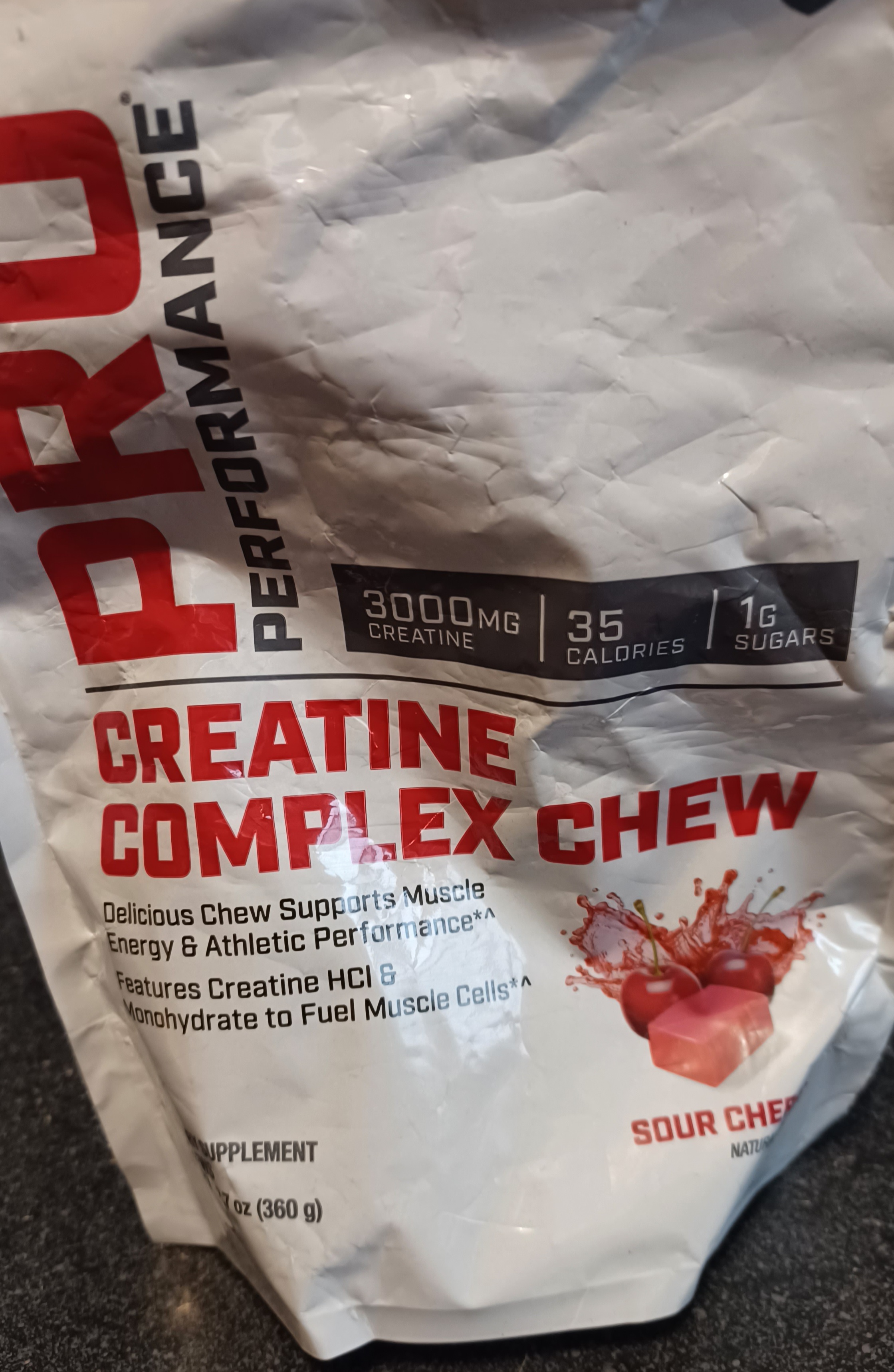
    • Creatine monohydrate for strength and cell hydration

    • Omega-3 fatty acids for inflammation control

    • BCAAs or EAAs if training fasted

    • L-Glutamine for recuperation

Active Recovery and Rest Days

In a solid HIT workout recovery plan, you’re often training each muscle group only once every 7–10 days, sometimes less often
. That downtime is for rebuilding, not sitting completely still.

Active Recovery Ideas:

  • Light walking or cycling

  • Gentle yoga or stretching

  • Foam rolling or massage therapy

These activities improve blood flow, reduce soreness, and speed up muscle repair without taxing the body.

The Takeaway

High-Intensity Training recovery is the make-or-break factor in building muscle fast. By prioritizing quality sleep, strategic post-workout nutrition, and active recovery, you’ll see faster progress, avoid burnout, and keep strength gains climbing.

Remember: muscles grow when you rest — so train hard, then recover harder.

Want a complete HIT bodybuilding recovery plan built into a proven training system?
Check out my 9-Book Bodybuilding Collection or my Extreme Intensity/ The Ultimate Supplement Collection — everything you need to maximize results from high-intensity weight training.

Tuesday, September 10, 2024

**Maximizing Abdominal Strength with High-Intensity Training**


High-Intensity Training (HIT) has revolutionized fitness training routines, and its benefits extend to abdominal training, where it can significantly enhance results. Unlike traditional methods, which often involve longer, moderate-intensity sessions, HIT focuses on brief, intense bursts of effort followed by longer recovery periods than traditional training. This approach not only increases calorie burn but also enhances muscle development and strength.


A typical HIT abdominal workout includes exercises performed at maximum effort with minimal rest. For instance, performing exercises like crunches, and leg raises to failure with no rest in between, is highly effective. This method keeps your heart rate elevated, and tones and strengthens the entire ab area.


The key to success with HIT lies in its intensity and variety. Incorporating exercises that engage multiple parts of the abdominal region—such as the rectus abdominis, obliques, and transversus abdominis—ensures a comprehensive workout. Alternating between different exercises prevents boredom and reduces the risk of overuse injuries.


Additionally, all HIT training boosts metabolic rate long after the workout, a phenomenon known as excess post-exercise oxygen consumption (EPOC). This means you continue to burn calories at an elevated rate, aiding in overall fat loss and muscle definition.


Incorporating HIT into your abdominal routine will lead to faster, more noticeable results. However, combining it with a balanced diet and overall scientific training regimen is essential for optimal outcomes. Start gradually to gauge your fitness and recuperative levels and progressively increase the intensity with good form to avoid injury.


An example of an abdominal routine is:

Machine ab crunches 1x-12 reps to failure using a steady, moderate speed tempo

Weighted leg raises 1x 12 reps to failure using a speed similar to the crunches


To increase intensity after becoming more advanced, add three 10-second holds on each negative repetition. These should be evenly spaced, one hold at the top, one in the middle, and one just before the end of the negative. All holds should last for 10 seconds. Reduce your session to just one of these exercises due to the increased intensity.

Friday, April 13, 2018

Ginkgo Biloba increased athletic performance capacity

Increased oxygen capacity and stimulating growth of neurons with ginkgo


Ginkgo biloba leaves contain flavonoids and polyphenolic compounds that may enhance physical and cognitive performance. In this study, 18 healthy, physically active young men took a placebo or 160 mg of ginkgo biloba per day for six weeks.
Before and after the supplement period, the men performed a graduated cycling test that measured maximum oxygen capacity. Both groups saw an increase in oxygen capacity between the two test periods, but the ginkgo biloba group increased 6 percent compared to 1 percent for placebo.
The ginkgo group also saw an increase in antioxidant capacity, and an increase in a protein that influences a number of brain functions, including stimulating growth of new neurons and synapses—nerves and nerve-signaling pathways.

Image result for ginkgo biloba

Friday, March 16, 2018

D-ribose: An effective supplement or useless junk?


Jerry Brainum tells the whole truth about the D-ribose, a natural sugar that is touted to boost muscle energy and sports performance. For the best information available anywhere about nutrition, exercise science, ergogenic aids, hormonal therapy, anti-aging research, fat-loss techniques that work, supplements and many other topics, subscribe today to the Applied Metabolics newsletter (www.appliedmetabolics.com). Also please subscribe to this channel and let others know about it. This is one of the few unbiased, truthful channels you will find.

Thursday, August 31, 2017

The First Name In Strength & Arthur Jones

Those who are familiar with the fitness industry will recognize the name Nautilus. This can be accredited to Arthur Jones, the founder of Nautilus, who changed the fitness landscape in the 1970s with his cutting edge product development, workout structure and marketing tactics. His innovations in the construction and use of fitness equipment would propel strength machines and circuit style training forward into the massive industry it is today.
Detailed in the book, Legends of Fitness by Stephen Tharrett, Frank O’Rourke & James A. Peterson, the authors recognize the achievements of Nautilus and the impact Arthur Jones had on the fitness industry.
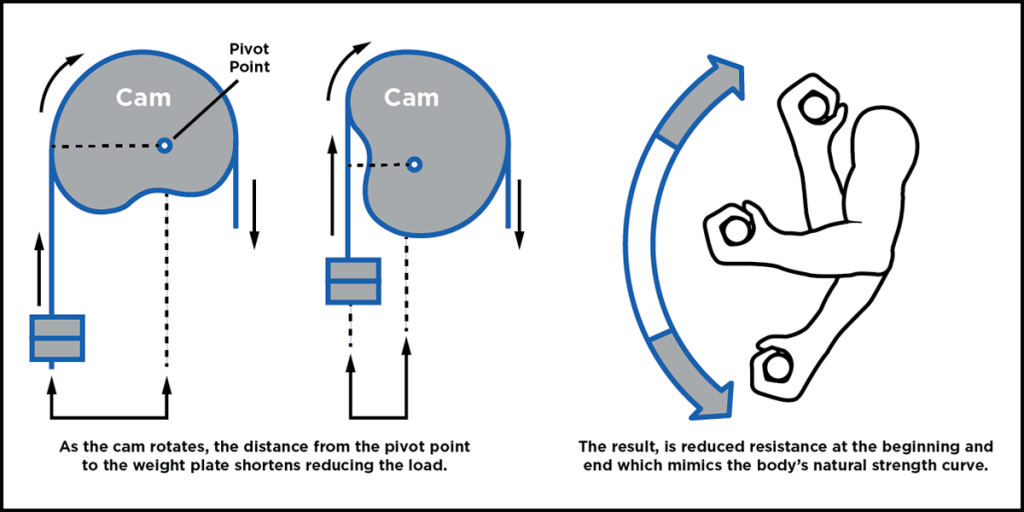
Introduced to the world in 1970, Nautilus machines were significantly different than anything else on the market before them. (Tharrett et al. 2011). One particular unique feature of these exercise machines was the Nautilus CAM, a specially designed pulley mechanism that was shaped like a nautilus shell (hence the name Nautilus).
The Nautilus CAM was so innovative to strength machines because it changes the way resistance is applied. When a cable with weights is pulled over a round pulley, the resistance is consistent, but when a nautilus shaped or oval CAM is used, the resistance is varied. This is due to the distance between the cable and the CAM’s pivot point changing as the CAM rotates. The load is lighter at the beginning and end of the motion with the full resistance in the middle. The variable resistance follows the body’s natural strength curve and makes for a much better workout.
In addition to the CAM, Nautilus’ efforts to design and manufacture individual training machines for various body parts also had a significant impact on the industry. (Tharrett et al. 2011). This series of machines enabled exercisers to train the body’s muscle groups-one machine and one particular body area (circuit-style) at a time. The Nautilus machines offered an effective and efficient way for individuals to engage in resistance training. The combination of the CAM and the dedicated machines for each body part drove an entire segment of the health/fitness facility industry in the 1970s.
In addition to revolutionizing the way fitness equipment was developed, Nautilus was also one of the first companies to recruit athletes and celebrities to promote their equipment through marketing. Their successful marketing and revolutionary products pushed Nautilus to the forefront of the fitness industry.
Nautilus Sports/Medical Products Company became the largest manufacturer of fitness equipment in the world, achieving annual sales of close to $75 to $80 million (equivalent to $250 to $270 million in 2011) at its pinnacle in the late 1970s. (Tharrett et al. 2011).
It is easy to see how the early Nautilus machines became the blue print for strength equipment today. However, according to the authors of Legends of Fitness, the machines may not even be the most impactful achievement of Arthur Jones.
Truth be known, Jones’ most significant contribution to the world of fitness may not have been the Nautilus equipment that he introduced in 1970. (Tharrett et al. 2011). Rather, Jones’ most lasting influence may well be the core principles of training that he developed and advocated, including performing one set of exercises to exhaustion, undertaking super slow controlled concentric and eccentric training, and engaging in 20-minute workout circuits.
When asked, Co-Author & Fitness expert Frank O’Rourke expanded on the content of the book explaining, “Arthur Jones was the genesis of the fitness equipment industry. He revolutionized strength training by inventing the “Thinking Man’s Barbell” and popularizing Strength CAM Technology, he created an industry with the concept of Nautilus fitness centers around the globe. High intensity interval training (HIIT) was his original idea of making Bigger, Faster and Stronger athletes which carried on to the general public. HIIT continues to be a main stay for fitness enthusiasts over the years due to the effectiveness and short duration of the workouts. Arthur is a legend in our industry as an inventor and was the catalyst of what all fitness companies are today!”
Nautilus invented the entire modern strength training category more than 40 years ago, and we’ve been reinventing it ever since. We continue to honor Arthur’s legacy by innovating equipment to provide a fitness experience that naturally fits human movement. Arthur Jones’ legacy set the groundwork for the larger strength industry we have today. At Core Health & Fitness we are honored to continue on the Nautilus name and to be a part of the revolution that changed the fitness industry and the first name in strength.

Wednesday, May 24, 2017

HIT Back Training

                             Image result for back muscles


Try the following HIT workout to build new muscle and strength in your back. Since the back is a very large,complex muscle group it is necessary to use a variety of exercises to thoroughly train the entire region. 

Use rowing exercises to thicken the rhomboids, pull-down movements to build the lats, high pulls to thicken the traps and seated back extensions to strengthen the lower back.


  • Low cable rows-1x8-static holds at mid-point -10-seconds each-5-second rest between holds
  • Machine pull-downs-1x10-partials-5 reps bottom half-5 reps top half
  • Cable good mornings-1x10


All sets need to be taken to failure with maximum weights possible. Use good form throughout with no momentum to keep the resistance on the muscle.

Tuesday, January 31, 2017

Why eggs are a must-eat for bodybuilders


No one has ever doubted that eggs are nutritional powerhouses, and for this fact alone eggs are a must-eat for bodybuilders. It is widely agreed that because of the variety of amino acids in eggs, they are nature’s most perfect protein source. The protein that eggs contain is almost 100% digestible and usable by the body. For a hungry bodybuilder needing to take in a considerable amount of protein, eggs offer another benefit — they are inexpensive compared to other major protein sources such as meat and fish.
Not so many years ago, eggs topped the list of “don’t go there” foods because of their high level of dietary cholesterol. The American Heart Association (AHA) even put a cap on the number of egg yolks that should be consumed per week:  no more than four. That’s no longer the case, as the AHA changed its guidelines, based on heart-disease studies; they now de-emphasize placing a limit on eggs in favor of restricting total daily cholesterol intake. So, if you have normal cholesterol, consuming eggs on a regular basis should be OK. Keep in mind that cholesterol  could become a problem if you eat egg yolks as well as trans fats, saturated fats and other high cholesterol foods, which, as a bodybuilder, you should not be doing! However, if you are eating a varied diet rich in vegetables, fruits,  whole grains and lean meats, then consuming eggs regularly shouldn’t be a problem


Monday, January 9, 2017

The 11 best supplements for building muscle mass


W
WITHOUT A DOUBT, you can add muscle simply by eating right and lifting weights. But to truly maximize your growth potential, supplements are a popular option. The only question: Which ones to choose?
That's why we've compiled 11 of the best mass-gain supplements worth your hard-earned cash. They're listed in order of priority, from the absolute most critical, can't-do-without supplements to the optional (yet still highly effective) ingredients for packing on size. The point is to help those on a tight budget decide which supplements to buy. And hey, if money is no object, then by all means stock up—just be sure you're using these as directed.

Priority #1: Whey protein powder

Why it made the list: Whey tops the list of mass-gain supplements because it's the most crucial for pushing protein synthesis. Whey is a milk protein that has a high level of branched-chain amino acids (BCAAs, No. 4 on our list). Bottom line: Whey takes the crown because it digests fast and gets to your muscles rapidly to start building muscle. Whey also contains peptides (small proteins) that increase blood flow to the muscles. This is why we always recommend consuming whey protein immediately after training.
How to maximize its effects: Take 20 grams of whey protein powder in the 30 minutes before working out, and take 40 grams within 60 minutes after training. Also consider taking 20-40 grams of whey immediately upon waking every morning to kick-start muscle growth. Your best bet is to choose a whey powder that contains whey protein hydrolysates (whey protein broken down into smaller fragments for faster digestion) or whey protein isolate.

Priority #2: Casein protein powder

Why it made the list: The other milk protein, casein, squeaks in just under whey. Casein has always played second fiddle due to its very slow digestion rate—yet this makes it ideal as a pre-bedtime snack because it prevents catabolism while you sleep by emptying slowly and steadily. Casein also makes you feel less full, which makes it a great snack for those who want to pack on muscle mass. And new research finds that casein gives whey a run for its money. When casein is taken post-workout, it boosts muscle protein synthesis much like whey does. It's even suggested that a whey and casein protein shake taken after training increases muscle growth better than either protein taken alone.
How to maximize its effects: Choose a casein protein that contains micellar casein (the slowest-digesting casein you can buy) and take 20-40 grams right before going to bed. After workouts, add 10-20 grams of casein to your whey protein. Also, use 20-40 grams of casein in your protein shakes between meals.

Priority #3: Creatine

Why it made the list: Creatine is made from three amino acids: arginine, glycine and methionine. Anecdotal reports and scientific studies alike find that guys who take creatine gain a good 10 pounds or more of bodyweight and increase strength dramatically. Creatine works in a number of ways. For one, it increases the amount of fast energy in your muscles needed to perform reps in the gym. The more of this fast energy that's available, the more reps you can do with a given weight, allowing you to get bigger and stronger in the long run. Creatine also draws more water into your muscle cells, placing a stretch on the cell that increases long-term growth. Most recently, creatine has been found to increase levels of insulin like growth factor-1 (IGF-1) in muscles, which is critical for stimulating growth.
How to maximize its effects: Take 2-5 grams of creatine in the form of creatine monohydrate, creatine malate, creatine ethyl ester or creatine alpha-ketoglutarate with your protein shake immediately before workouts. This will help keep your muscles saturated with creatine, producing the rapid energy they need to perform more reps. Then consume another 2-5 grams with your postworkout shake (in addition to 40-100 grams of fast-digesting carbs), a time when creatine will be rapidly taken up by muscle cells and the boost in IGF-1 levels will help prompt further growth. On days when you don't train, take 2-5 grams of creatine with a breakfast that contains carbohydrates.

Priority #4: Branched-chain amino acids (BCAAs)

Why they made the list: The term branched-chain amino acids refers to leucine, isoleucine and valine, the absolute most important amino acids for repairing and building muscle tissue. Leucine is the most critical of the three, as research shows that it can stimulate muscle protein synthesis on its own. Yet it's still best to take all three together, since they work in synergy to provide a multitude of benefits, including muscle growth, increased energy during workouts, the blunting of cortisol (a catabolic hormone that inhibits testosterone and increases muscle breakdown), and decreased delayed-onset muscle soreness. 
How to maximize their effects: Take 5-10 grams of BCAAs with breakfast, as well as in your pre- and post-workout shakes. Look for BCAA products that provide leucine at a ratio of 2:1 per dose of isoleucine and valine. For example, if you take a 5-gram dose of BCAAs, about 2.5 grams should be from leucine, 1.25 grams from isoleucine and 1.25 grams from valine.

Priority #5: Beta-Alanine/carnosine

Why they made the list: In the body, the amino acid beta-alanine is combined with another amino, histidine, to form carnosine. Research shows that when muscles have higher levels of carnosine, they have more strength and endurance. Carnosine appears to increase the muscle fibers' ability to contract with more force, and to do so longer without fatiguing. Several studies reported increases in muscle strength and power in athletes who took beta-alanine. One recent study found that subjects who took beta-alanine along with creatine gained more muscle mass and lost more bodyfat than subjects who took only creatine.
How to maximize their effects: Take 1-2 grams of beta-alanine or carnosine immediately before and after every workout in addition to your shakes and creatine. On nonworkout days, take 2 grams with breakfast, along with creatine.

Priority #6: Nitric oxide boosters

Why they made the list: Nitric oxide (NO) is a molecule, found throughout the body, that's involved in multiple processes. Bodybuilders are most interested in NO's ability to dilate blood vessels, which allows more blood flow to the muscles for enhanced delivery of oxygen, nutrients, anabolic hormones and water (blood is mostly water, after all). This gives you more energy during your workout, an enhanced muscle pump, and better muscle recovery and growth after the workout. NO boosters don't provide NO directly, but rather deliver it in the form of the amino acid arginine, which is readily converted to NO in the body. Research has found that subjects who were given arginine increased muscle strength and growth and lost bodyfat.
How to maximize their effects: Take an NO booster that provides 3-5 grams of arginine in the form of L-arginine, arginine alpha-ketoglutarate, arginine ethyl ester or arginine malate. Also, consider NO boosters that provide ingredients such as citrulline, pycnog-enol and American ginseng, which enhance arginine's ability to increase NO. Take one dose at each of the following times: in the morning before breakfast, 30-60 minutes before training, immediately after training and 30-60 minutes before bedtime. When possible, take each dose without food and consider combining it with 500-1,000 mg of vitamin C, which can help maintain levels of NO for longer.

Priority #7: Glutamine

Why it made the list: This amino acid has been a favorite of bodybuilders for decades because it's central to muscle function and is one of the most plentiful aminos found in the human body. Glutamine provides numerous bodybuilding benefits, such as aiding muscle growth by increasing levels of leucine in muscle fibers, helping decrease muscle breakdown and bolstering the immune system, which helps prevent you from getting sick and missing workouts. Glutamine taken before workouts can help decrease muscle fatigue and boost growth hormone levels. In addition, recent research shows that glutamine might also play a role in fat loss by increasing the amount of calories and fat burned at rest and during exercise.
How to maximize its effects: Take 5-10 grams of glutamine in the morning with breakfast, with your pre- and post-workout shakes, and with your nighttime snack.

Priority #8: ZMA

Why it made the list: ZMA is a combination of zinc, magnesium aspartate and vitamin B6. It's an important supplement because hard-training athletes such as bodybuilders are often deficient in these critical minerals, which are important for maintaining hormone levels and aiding sleep (essential for recovery). Intense training can compromise levels of testosterone and IGF-1. In fact, one study found that athletes who took ZMA significantly increased their levels of testosterone and IGF-1 during eight weeks of training, while those who took a placebo experienced a drop in both T and IGF-1. Naturally, boosting testosterone and IGF-1 can make huge impacts on muscle gains.
How to maximize its effects: Use a ZMA product that provides about 30 mg of zinc, 450 mg of magnesium and 10.5 mg of vitamin B6, and take it 30-60 minutes before bedtime without any food or calcium. Taking ZMA on an empty stomach will enhance its uptake and utilization and improve your sleep quality for optimal recovery.

Priority #9: Carnitine

Why it made the list: Besides being a popular fat-loss supplement, carnitine is now known to enhance muscle growth through a number of mechanisms, all of which are supported by clinical research. For one, carnitine can increase blood flow to muscles, which means it provides similar benefits to NO boosters. It also increases testosterone levels postworkout and the amount of T receptors inside muscle cells, which allows more testosterone to stimulate more growth. In addition, carnitine supplements have been found to increase levels of IGF-1. Add all these benefits together and you have the potential to gain enormous amounts of muscle.
How to maximize its effects: Take 1-3 grams of carnitine in the form of L-carnitine, acetyl-L-carnitine or L-carnitine-L-tartrate with breakfast, your pre- and postworkout shakes, and nighttime meals.

Priority #10: Beta-ecdysterone

Why it made the list: Beta-ecdysterone is a phytochemical found in plants such as spinach, where its main function is to protect the plant from insects. Russian scientists discovered many years ago that beta-ecdysterone has anabolic properties. In fact, it's similar in structure to hormones found in insects and crustaceans. Yet beta-ecdysterone doesn't behave like a hormone in the body, but rather works by stimulating protein synthesis and therefore muscle growth. Anecdotal reports suggest that it's very effective for producing increases in both muscle size and strength.
How to maximize its effects: To get the most out of beta-ecdysterone, make sure you get a high enough dose and take it frequently throughout the day. Look for products that supply about 100 mg of beta-ecdysterone and take it with meals in the morning, before and after workouts, as well as with lunch and dinner, for a total of 400-500 mg per day.

Priority #11: High molecular-weight carbs

Why they made the list: Molecular weight is a term that refers to the mass of one molecule of a substance. Therefore, high molecular-weight carbs (HMCs) are essentially made up of very large, heavy molecules. HMCs such as the patented Vitargo brand are typically made from waxy maize (corn) starch. What makes these carbs so special is their ability to rapidly pass through the stomach to the intestines where they can be absorbed and enter the blood. Research shows that HMCs pass through the stomach at a rate almost 100% faster than sports drinks. This is important after exercise because consuming carbs at this time blunts cortisol levels, prevents muscle breakdown and raises insulin levels to help promote muscle growth and replenish muscle glycogen levels.
How to maximize their effects: Taking 60-100 grams of HMCs mixed in your postworkout shake will help push muscle recovery and growth, and the insulin spike it causes will drive more amino acids, creatine and carnitine into your muscle cells. In other words, HMCs will not only boost muscle growth themselves but they will help your other mass supplements work even better.
courtesy of Men's Fitness

Friday, December 9, 2016

Is Glutamine An Effective Bodybuilding Supplement?


How Important is Glutamine in Bodybuilding?

Glutamine is an important, non-essential amino acid that is found in high concentrations in your blood plasma. "Non-essential," in this context, means that you need it, but you don't need to eat it because your body can synthesize it. You can synthesize glutamine in your muscle tissue. It can affect amino acid metabolism and nitrogen balance in your muscles. Glutamine is important in a number of metabolic processes related to muscle recovery and exercise, so it has been used as a nutritional supplement for bodybuilders and athletes looking to gain muscle size and strength. Glutamine supplementation has not been evaluated by the Food and Drug Administration; therefore, you should consult your physician prior to use.


Glutamine and Hormones

Glutamine is involved in the production and regulation of human-growth hormone, or HGH. In his book "Nutrition for Health, Fitness, and Sport," nutritionist Melvin H. Williams writes that glutamine has been shown to increase HGH levels and stimulate protein synthesis, or the formation of new proteins, by increasing muscle-cell volume in bodybuilders. Glutamine acts as a precursor to growth-hormone-releasing hormone, or GHRH, which is produced by your hypothalamus gland and stimulates your anterior pituitary gland in your brain to release growth hormone. This hormone, in turn, increases the rate of muscle growth.

Energy Production

Glutamine is considered gluconeogenic and has the ability to create muscle glycogen from blood glucose, which influences energy production during exercise. Increasing the availability of glucose to your skeletal muscles during exercise may increase exercise performance, intensity, and recovery, particularly during repeated bouts of intense resistance training, such as the methods used by many bodybuilders. Glutamine also aids in the removal of amino acids, pyruvate, and other byproducts of energy metabolism in your muscles, thereby enhancing your recovery in between sets of resistance training exercises.

Over-training

Over-training syndrome is a condition that results from exercising more intensely and frequently than your body is capable of handling and is associated with symptoms of excessive training, such as fatigue, insomnia, decreased muscle strength, and increased heart rate. Bodybuilders, due to their intense weightlifting programs, may be more susceptible to over-training than other athletes. Glutamine supplementation may reduce the effects of over-training syndrome by increasing the rate of muscle recovery following exercise due to an increase in the rate of protein synthesis in your muscles.

Other Considerations

Supplemental glutamine is considered to have a low toxicity, and is generally well tolerated. The 2001 "Sport Supplement Encyclopedia" states that glutamine supplementation may result in gastrointestinal distress, including nausea, diarrhea, and upset stomach. Less common effects of glutamine supplementation include an increase in depression, anxiety, and nervousness, based on glutamine's stimulatory effect on certain brain chemicals and hormones, although more research needs to be conducted in this area. Bodybuilders taking other growth-hormone stimulators may observe an increase in the severity of the possible side effects of glutamine.

Tuesday, November 29, 2016

Exercise releases hormone that helps shed, prevent fat

Image result for woman on treadmillIf a workout feels like more pain than gain, here's some motivation: Exercise releases a hormone that helps the body shed fat and keeps it from forming.
A group led by a University of Florida Health researcher has learned more about how the hormone irisin helps convert calorie-storing white fat cells into brown fat cells that burn energy. Irisin, which surges when the heart and other muscles are exerted, also inhibits the formation of fatty tissue, according to the researchers.
The findings, published recently in the American Journal of Physiology -- Endocrinology and Metabolism, show that irisin may be an attractive target for fighting obesity and diabetes, said Li-Jun Yang, M.D., a professor of hematopathology in the UF College of Medicine's department of pathology, immunology and laboratory medicine. The study is believed to be the first of its kind to examine the mechanisms of irisin's effect on human fat tissue and fat cells, researchers said.
Irisin appears to work by boosting the activity of genes and a protein that are crucial to turning white fat cells into brown cells, the researchers found. It also significantly increases the amount of energy used by those cells, indicating it has a role in burning fat.
Researchers collected fat cells donated by 28 patients who had breast reduction surgery. After exposing the samples to irisin, they found a nearly fivefold increase in cells that contain a protein known as UCP1 that is crucial to fat "burning."
"We used human fat tissue cultures to prove that irisin has a positive effect by turning white fat into brown fat and that it increases the body's fat-burning ability," Yang said.
Likewise, Yang and her collaborators found that irisin suppresses fat-cell formation. Among the tested fat-tissue samples, irisin reduced the number of mature fat cells by 20 to 60 percent compared with those of a control group. That suggests irisin reduces fat storage in the body by hindering the process that turns undifferentiated stem cells into fat cells while also promoting the stem cells' differentiation into bone-forming cells, the researchers said.
Knowing that the body produces small quantities of fat-fighting irisin underscores the importance of regular exercise, Yang said. More than two-thirds of U.S. adults are overweight or obese, according to the National Institutes of Health. While it's possible that the beneficial effects of irisin could be developed into a prescription medication, Yang said that is uncertain and remains a long time away.
"Instead of waiting for a miracle drug, you can help yourself by changing your lifestyle. Exercise produces more irisin, which has many beneficial effects including fat reduction, stronger bones and better cardiovascular health," Yang said.
The present study builds on other findings about irisin's beneficial effects. In 2015, Yang's group found that the hormone helps improve heart function in several ways, including boosting calcium levels that are critical for heart contractions. In June, Yang and a group of scientists in China showed that irisin reduced arterial plaque buildup in mouse models by preventing inflammatory cells from accumulating, resulting in reducing reduction of atherosclerosis. Those findings were published in the journal PLOS One.
The findings about irisin's role in regulating fat cells sheds more light on how working out helps people stay slender, Yang said.
"Irisin can do a lot of things. This is another piece of evidence about the mechanisms that prevent fat buildup and promote the development of strong bones when you exercise," she said.

Story Source:
Materials provided by University of Florida. Note: Content may be edited for style and length.

Friday, August 12, 2016

Grandmother's amazing weightlifting talents will inspire you to hit the gym


Grandmother's amazing weightlifting talents will inspire you to hit the gym

Two years ago, 78-year-old Shirley Webb's exercise of choice was mowing the lawn.
"That's about the only exercise I ever got," she told ESPN.com.
That all changed when she walked into the Club Fitness gym in Wood River, Illinois, two years ago. Back then, she couldn't climb the stairs without getting winded. These days? She's a state and national record holder for the deadlift. A recent video posted to Facebook showed the strong woman lifting 225 pounds three times — and her maximum is 245 pounds.

"I have no intention of stopping right now," Webb told ESPN. "When I go to the gym and work out, when I leave, I feel so much better than I did when I went in, and I just feel so good. I feel tremendous."

Last year she won two competitions — including one in November 2015 where she dead-lifted 237 pounds to set an Illinois state record for her age group.
"I've seen such a remarkable difference in myself,'' Webb told Today.com. She's also inspiring others with her badassery.

"I'm glad that people are getting inspired by me doing this," she continued. "I had one lady come in the gym and say, 'I saw your video and I decided to come down and join this club.' That makes me feel good."

Monday, August 1, 2016

Red meat consumption linked with increased risk of developing kidney failure


Image result for red meat

A new study indicates that red meat intake may increase the risk of kidney failure in the general population, and substituting red meat with alternative sources of protein from time to time may significantly reduce this risk. The findings appear in an upcoming issue of the Journal of the American Society of Nephrology (JASN).
Increasing numbers of individuals are developing chronic kidney disease (CKD), and many progress to end-stage renal disease (ESRD), which requires dialysis or a kidney transplant. Current guidelines recommend restricting dietary protein intake to help manage CKD and slow progression to ESRD; however, there is limited evidence that overall dietary protein restriction or limiting specific food sources of protein intake may slow kidney function decline in the general population.
To examine the relationship between dietary intake of major sources of protein and kidney function, a team led by Woon-Puay Koh, MBBS (Hons), PhD (Duke-NUS Medical School and Saw Swee Hock School of Public Health in National University of Singapore) analyzed data from the Singapore Chinese Health Study, a prospective study of 63,257 Chinese adults in Singapore. This is a population where 97% of red meat intake consisted of pork. Other food sources of protein included poultry, fish/shellfish, eggs, dairy products, soy, and legumes.
After an average follow-up of 15.5 years, the researchers found that red meat intake was strongly associated with an increased risk of ESRD in a dose-dependent manner. People consuming the highest amounts (top 25%) of red meat had a 40% increased risk of developing ESRD compared with people consuming the lowest amounts (lowest 25%) No association was found with intakes of poultry, fish, eggs, or dairy products, while soy and legumes appeared to be slightly protective. Substituting one serving of red meat with other sources of protein reduced the risk of ESRD by up to 62%.
"We embarked on our study to see what advice should be given to CKD patients or to the general population worried about their kidney health regarding types or sources of protein intake," said Dr. Koh. "Our findings suggest that these individuals can still maintain protein intake but consider switching to plant-based sources; however, if they still choose to eat meat, fish/shellfish and poultry are better alternatives to red meat."